Dedicated to the health & well-being of the horse
Our experienced team provides comprehensive, ambulatory care using advanced diagnostics and state-of-the-art equipment — delivered with compassion, clear communication, and a commitment to your horse’s well-being.
Veterinary care for horses in Dane County, WI, and surrounding areas.
Our Services
As an Equine Ambulatory Veterinary Clinic we are able to provide comprehensive care utilizing advanced clinical training and state-of-the-art equipment to effectively diagnose & treat our patients. Clients can expect compassionate care & exceptional communication, along with continued educational opportunities for horse care. Our staff is passionate about the health & well-being of the horse, which is why we offer the best services available, which include:
-
When your horse is in distress, immediate veterinary care can make all the difference. Whether your horse is experiencing colic, a severe wound, lameness, or another urgent condition, our experienced equine veterinarians are available 24 hours a day, 7 days a week, throughout Dane County, Madison, WI, and surrounding areas.
As a fully equipped ambulatory equine emergency clinic, we bring advanced diagnostics directly to your farm. Each veterinary truck is outfitted with portable digital radiography, ultrasound, and the necessary medical equipment to diagnose and treat most injuries and illnesses on-site. We are truly an emergency veterinary clinic on wheels.
Our team also has specialized expertise in large animal technical rescue, making us one of the few equine practices in Wisconsin trained to respond to complex rescue situations. If hospitalization is required, we will coordinate a referral to the most appropriate equine hospital for continued care.
-
Veterinary acupuncture can be used to address a variety of conditions, from pain and lameness in equine athletes to gastrointestinal and behavioral issues in companion animals. Acupuncture can be used in conjunction with other therapies to improve results, or on its own as an alternative to conventional medicine. Acupuncture is often combined with other Traditional Chinese Veterinary Medicine (TCVM) therapies, such as herbal medicine, food therapy, exercise, and Tui-na (a specific type of massage).
Acunpuncture involves the use of thin, flexible, sterile needles in specific locations to stimulate the body to heal itself. These acupuncture points have a high density of free nerve endings, arterioles, lymphatic vessels, and mast cells.
During an acupuncture appointment, we will take a detailed history and perform a physical examination to reach a TCVM diagnosis. Once the needles are placed, the acupuncture treatment itself can take up to 30 minutes, depending on what we are treating and how well the patient tolerates the treatment. Most patients tolerate acupuncture very well and will often fall asleep during treatment – sedation may be used on highly sensitive patients, if necessary.
Acupuncture treatments may include electro acupuncture, which can be very beneficial for painful or neurologic conditions, and aqua acunpuncture, which is often very helpful in weak or geriatric patients.
Results are typically seen after 1 – 3 treatments, which are typically performed 1 – 2 weeks apart.
-
Cryosurgery involves using liquid nitrogen at a temperature of approximately -330°F to freeze problematic tissue while minimizing damage to healthy tissue, particularly in ocular and genital regions. If your horse has unwanted or challenging masses, like sarcoids or other tumors, cryosurgery might be a good solution.
After assessing the problem and coming up with an appropriate treatment plan, we will use a device containing liquid nitrogen to pinpoint and destroy the problem tissue. Some conditions require several treatments to achieve a successful outcome. After the area is treated, white hair may grow in the treated area, a side effect of being subjected to extreme cold.
-
An endoscope is a wonderful tool that allows us to visualize the horse’s upper airway from the nasal passage to the trachea, or their reproductive or urinary tract, by using a fiber-optic camera. Endoscopy is used for a variety of issues, including respiratory problems, discharge from the nostrils, evaluation of the function of the upper airway, and various urinary and reproductive concerns.
Using the endoscope to visualize the horse's airway, we can see if there are any conformational, traumatic, infectious, tumor-related or neurologic abnormalities. With the help of the endoscope, we will be able to make an accurate diagnosis and develop an appropriate treatment plan for your horse.
-
Just like people, horses require routine dental care. We recommend biannual check-ups to prevent and treat any issues that might develop. While dental care is essential if you notice any issues with your horse’s teeth, routine care is important for a variety of other reasons, including:
Preventing bit and performance issues
Helping your horse efficiently process hay and grain
Prolonging the lives of geriatric horses
Preventing infections or discomfort from tooth problems
To assess your horse’s oral health, we both look and feel for any issues in your horse’s mouth. If the teeth need attention, we use sedation to maximize comfort and safety, while using specialized dentistry tools and expertise to address any concerns.
-
A Gastroscopy Exam is a tool that allows us to perform a visual inspection of the various parts of the stomach.
Using the gastroscope to visualize the horse's stomach, we can observe the location and severity of stomach ulcers, that may be present. Gastroscopy allows us to make an accurate diagnosis and develop an appropriate treatment plan for your horse.
-
If your horse has an injury or lameness issue, using an ultrasound and/or digital radiograph might help us visualize the problem and obtain a diagnosis. We maintain top of the line equipment to get the best possible image of your horse's skeletal or soft tissue issues.
Ultrasounds are used when evaluating your horse’s soft tissues, like ligaments and tendons. Damage to these structures often causes lameness. Digital radiographs give us high quality images of joints and bones. With digital radiographs, the images are available immediately so diagnosis and treatment can often be accomplished in one visit.
-
Just like people, horses get sick or develop issues with their internal organs. Your horse may have a fever, act abnormally, or just seem lethargic or not quite right. Some common internal organ issues include hormonal issues, liver or kidney failure, muscle disorders, heart conditions, digestive tract disorders, respiratory disease or dysfunction, and neurologic conditions. These can dramatically affect the life and performance of your equine partner.
We offer a complete evaluation of your horse’s condition, including a thorough physical examination, appropriate laboratory testing, and other diagnostic evaluation using ultrasound, radiographs, and endoscopy. Once a diagnosis is reached, we will design and provide an appropriate treatment and monitoring program for your horse.
-
Equine microchipping is becoming much more common, just like microchipping canines. This easy, painless form of permanent identification is rapidly growing in popularity, and is now required for many breeds and competitions.
There are many benefits:
Permanent ID that cannot be altered or separated from the horse
Helps prevent theft
Aids in recovery during a natural disaster
Provides accuracy at competitions and prevents fraud
-
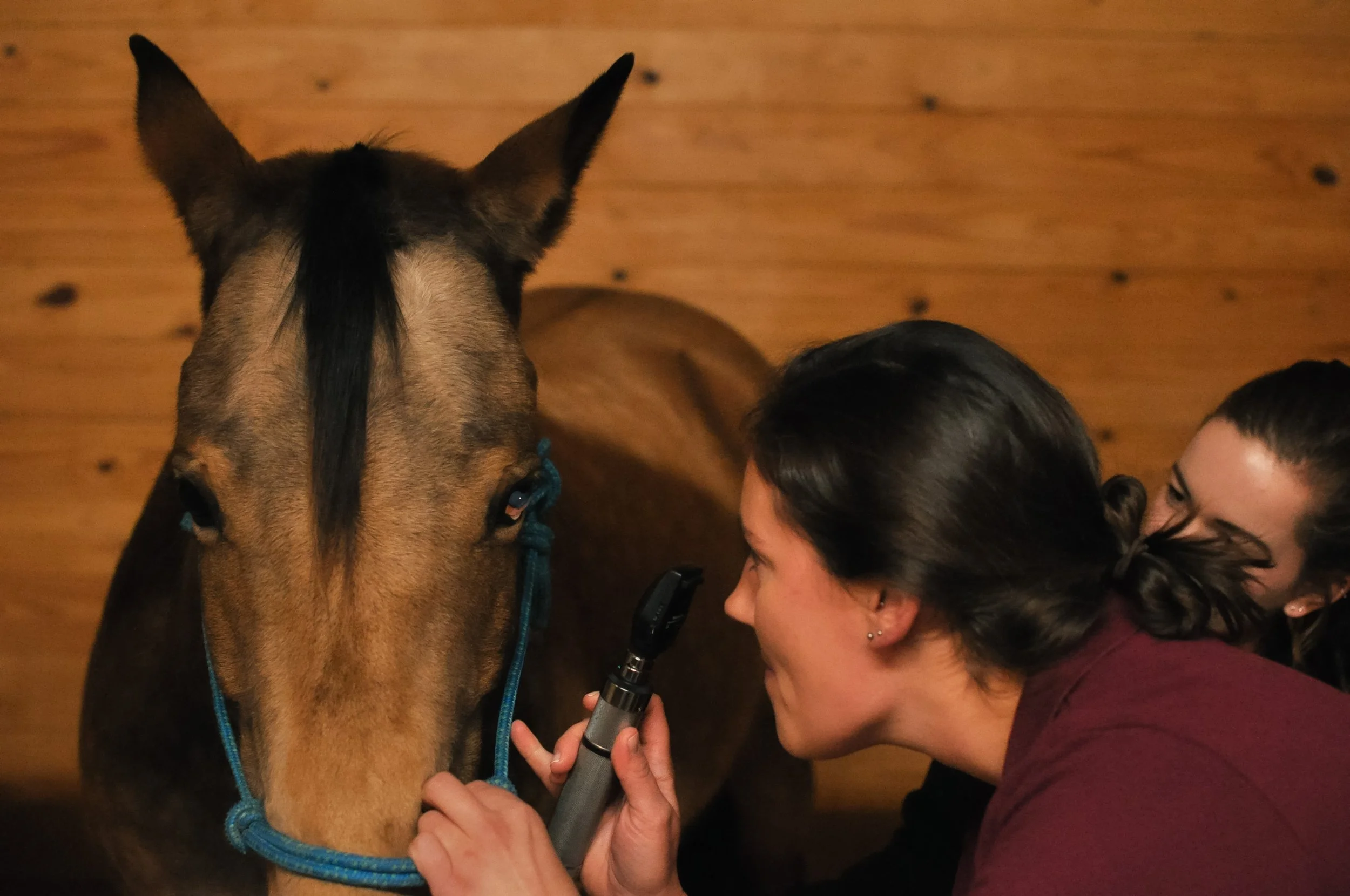
If your horse is undergoing changes to his eyes or eyesight, he should be seen by a veterinarian right away. Common indications that something is wrong with the eye include eyelid lacerations, apparent vision changes, discharge, swelling, squinting and discoloration in the eye (such as a milky covering or a growth in the eye). Noticing and treating eye issues promptly is essential for your horse’s health and vision.
We offer complete ophthalmology examinations for your horse. If we find a problem, we offer treatment, as well as surgical procedures. We maintain strong referral relationships with Board Certified ophthalmologists for on-farm or in-hospital evaluation and treatment.
-
Preventative care is essential to maintaining your horse’s long-term health, soundness, and performance. At Irongate Equine Clinic, our experienced equine veterinarians provide comprehensive preventative care services throughout Dane County, Madison, WI, and surrounding areas. We recommend biannual wellness examinations to help detect health concerns early and keep your horse performing at their best.
As a fully equipped ambulatory equine veterinary clinic, we deliver customized preventative care directly to your farm or facility. Services include vaccinations, dental care, parasite control, nutritional consultation, lameness evaluation, and treatment of medical conditions or injuries. Our goal is to provide proactive, individualized horse care that supports lifelong health and optimal performance.
-
Are you looking to buy a horse? Getting a thorough veterinary examination before purchasing your next horse can help ensure that your new mount is healthy and sound, as well as alert you to any preexisting conditions or problems that may require additional management in the future.
Each purchase examination can be tailored to meet your needs. If you aren’t sure what your needs are, we’re happy to discuss your goals and plan the best course of action. Typically, a purchase examination includes a complete physical and oral examination, soundness and neurologic exam, podiatry and ophthalmic assessment. Other services that might fit your needs include radiograph, ultrasound, endoscopy, blood work, and a reproductive exam.
At the end of your purchase examination, you will receive a written report to help you understand what we found and assist you in making a good decision about purchasing your next horse.
-
Breeding your mare is a big commitment, but our experienced veterinarians can help to ensure this process goes as smoothly and safely as possible. We can guide you every step of the way, including stallion selection, breeding preparation, insemination, pregnancy evaluation, foaling, postpartum assessment, and newborn evaluation. Our skilled staff is ready for any challenge that may arise along the way so you may have the ultimate reward – a healthy mare and foal.
Prior to breeding your mare, we’ll perform a comprehensive reproductive evaluation on her, including a detailed ultrasound examination of her reproductive tract to assess her potential fertility as a broodmare. If possible or existing problems are identified, further diagnostics will be performed, including uterine culture and cytology, endometrial biopsy, and uterine endoscopy.
-
Lameness issues can be very frustrating for horse owners, often entailing lengthy recoveries and difficult long-term treatment plans. Extracorporeal Shock Wave Technology (ESWT) helps the body relieve pain, speed healing, and improve the quality of healing. With shock wave therapy, we can accelerate the healing process for tendon, ligament, and bone issues, back and poll soreness, and recurrent wounds your horse may develop.
To ensure your horse is comfortable and relaxed during the treatment process, we may use a mild sedative prior to beginning. The ESWT provides a high-energy, focused pressure wave that causes a biological change in the tissues being treated. It will stimulate the release of proteins associated with the healing process, as well as regulate inflammation. Results are typically seen after 1 – 3 treatments, which can be completed in conjunction with other treatments, such as PRP or steroids, to increase the efficacy of those therapies.
-
Are you trying to keep your horse performing at their peak? Have you noticed challenges during riding, such as difficulty with collection, resistance to certain movements, or behaviors like bucking, pinning ears, or reluctance to do activities they once enjoyed? These signs may indicate pain or discomfort, and your horse could benefit from a thorough veterinary evaluation and sports medicine care.
At Irongate, we take a comprehensive approach to evaluating your horse’s performance and soundness. Our goal is to identify the underlying cause of discomfort and create a treatment plan tailored to both your horse’s needs and your performance goals.
Our evaluation typically includes a complete physical examination and detailed assessment of your horse’s movement. To gain a clearer picture of your horse’s health, we may utilize advanced diagnostic tools such as diagnostic nerve blocks, digital radiographs (X-rays), ultrasound, and endoscopy.
Once we determine the source of the issue, we develop a personalized treatment plan. Depending on the diagnosis, treatment options may include systemic therapies, joint injections, and regenerative therapies such as shockwave therapy and platelet-rich plasma (PRP). If your horse requires a surgical procedure, we will coordinate referral to a trusted hospital or specialist best suited to your horse’s needs.
Lameness Evaluation
Lameness is one of the most common — and often frustrating — issues affecting horses and their owners. You may notice your horse favoring one leg, moving unevenly, or simply not feeling right under saddle. Fortunately, modern diagnostic tools and treatment options allow many lameness conditions to be successfully managed with proper veterinary care.
A lameness evaluation begins with a detailed review of your horse’s medical history and performance background. From there, we perform a thorough physical examination followed by an evaluation of your horse’s movement at different gaits.
Additional diagnostic steps may include:
Limb flexion tests to help localize the affected area
Diagnostic nerve blocks to isolate the source of pain
Digital radiographs (X-rays) or ultrasound imaging to evaluate bones, joints, and soft tissues
These steps allow us to develop a clear diagnosis, determine a prognosis, and create a treatment plan designed to return your horse to comfort and performance.
You can also explore our Integrative Services, which can be an excellent addition to your horse’s performance and wellness program.
-
Veterinary Spinal Manipulative Therapy (VSMT), the veterinary equivalent of human chiropractic care, involves skilled motion palpation to detect hypomobile regions in the body. These hypomobilities can result from a variety of causes including muscle spasms, scarring, or masses. This can potentially lead to pain, decreased performance, and compromised health. VSMT also involves careful assessment of the nervous system and its function.
A VSMT practitioner will use specialized techniques in order to improve motion and function of the body. They may also recommend specific exercises or therapies that can be used at home to further benefit a patient.
For patient safety and optimal results, VSMT should only be performed by certified veterinarians, or by doctors of chiropractic that have obtained certification to practice on animals. Dr. Alderman obtained her certification in VSMT at The Healing Oasis Wellness Center. This training course focuses heavily on providing a thorough understanding of neuroanatomy and functional neurology, as well as providing extensive hands-on training in techniques for motion palpation and adjustment. Dr. Alderman’s training is focused on equine and canine techniques, but most species can benefit from VSMT.
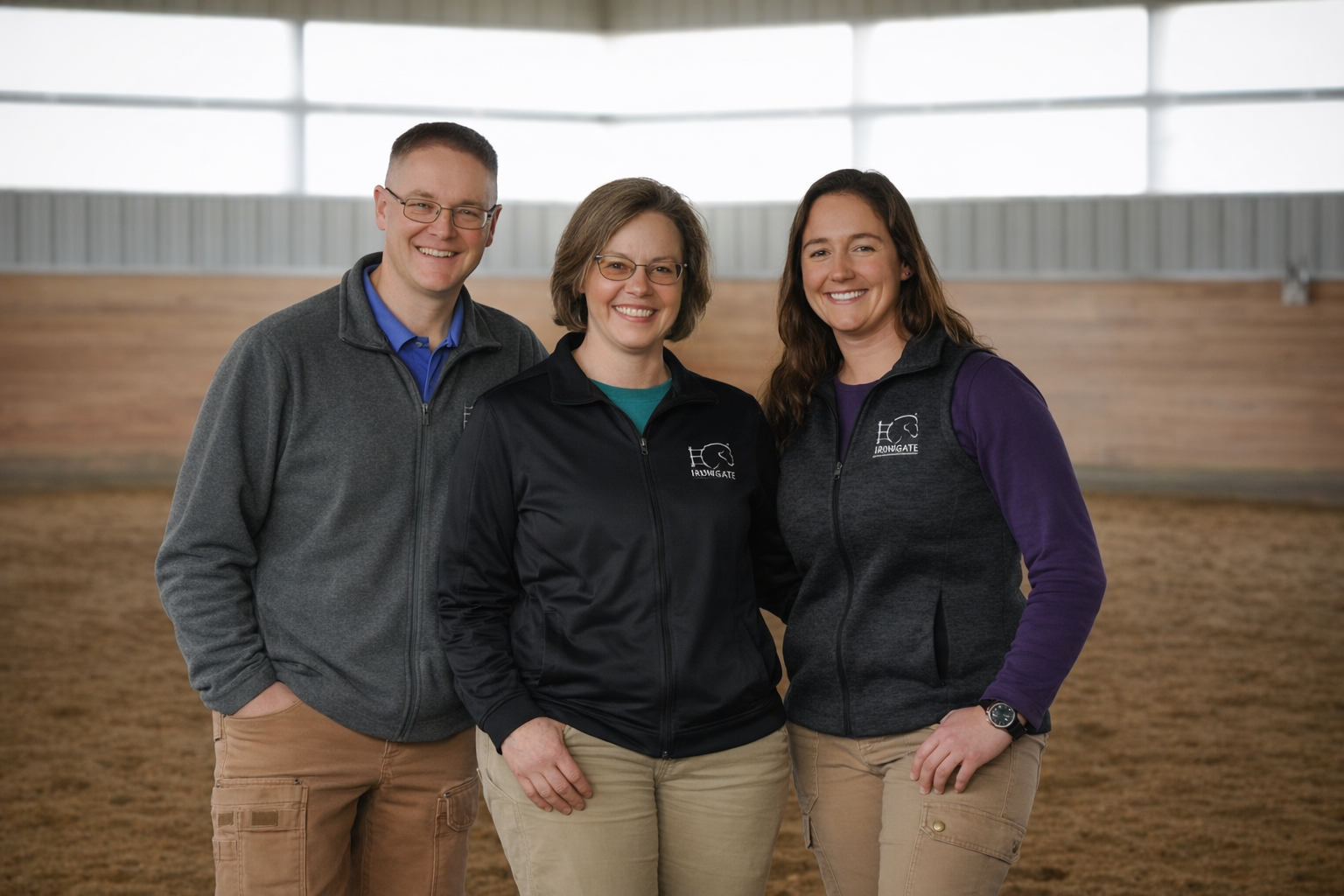
Three Equine Veterinarians & staff with over thirty years of experience. Meet the team that's dedicated to your horse's care.
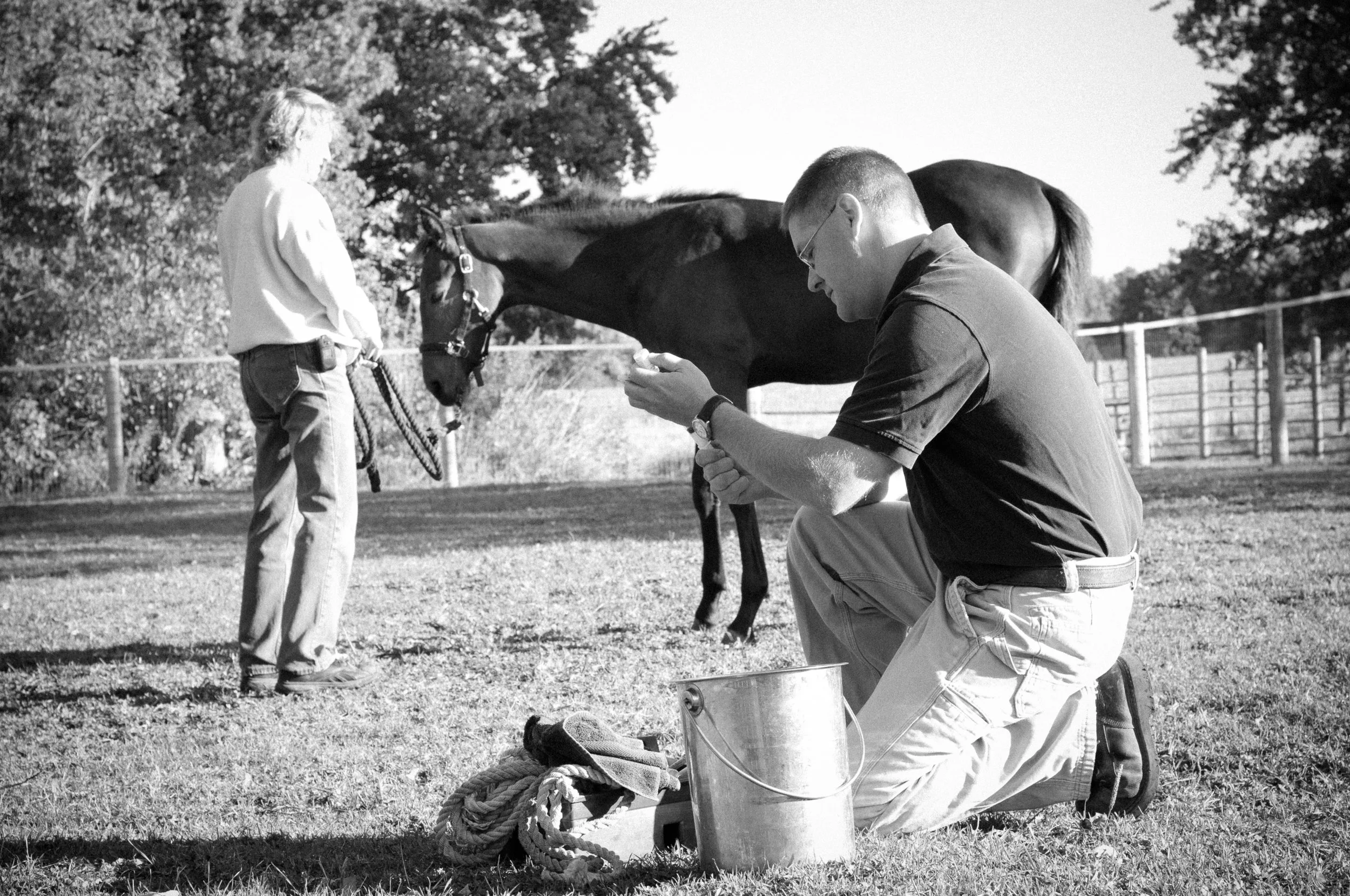
As an Equine Ambulatory Veterinary Clinic we are able to provide comprehensive care utilizing advanced clinical training and state of the art equipment to effectively diagnose & treat our patients. Clients can expect compassionate care & exceptional communication along with continued educational opportunities for horse care. Our staff is passionate about the health & well-being of the horse, which is why we offer the best services available which include:
and so much more…